


Beyond One Use: How Commercial Property Is Evolving

Share
Commercial property is no longer being assessed only by category.
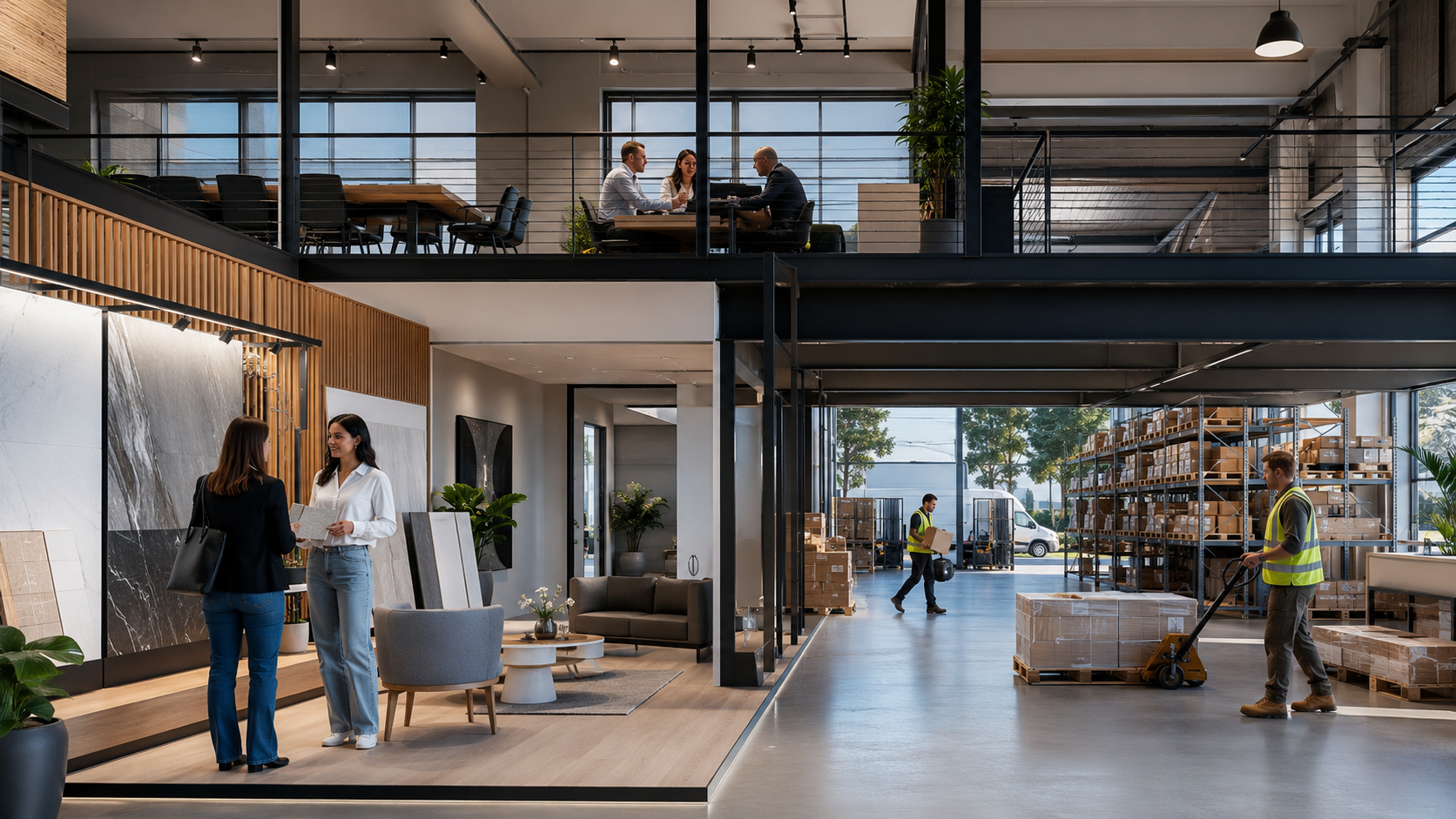
Office, retail, showroom, warehouse and industrial uses are increasingly overlapping as businesses look for premises that can support several operational needs in one location.
For owners, this changes how a property should be positioned. The question is no longer only what the premises is, but what it allows a business to do.
Businesses Want More From Their Space
Rising operating costs are encouraging businesses to use space more efficiently.
Some occupiers are looking to combine customer areas, offices, storage, servicing and distribution rather than operate from multiple locations.
A showroom may also need office accommodation, parking and storage. A trade-based business may require strong exposure at the front, practical access at the rear and enough flexibility to support future growth.
This does not mean every property needs to suit every use.
It means businesses are placing greater value on premises that solve more than one practical requirement.
Recent campaign and enquiry activity across Shead Property Commercial has reinforced this. Occupiers are looking closely at how a property will work day to day, not simply how it presents online.


Visibility Must Be Supported By Function
Exposure remains important for showroom, automotive, trade and service-based businesses.
Strong frontage and signage can provide ongoing brand visibility, but exposure alone is not enough.
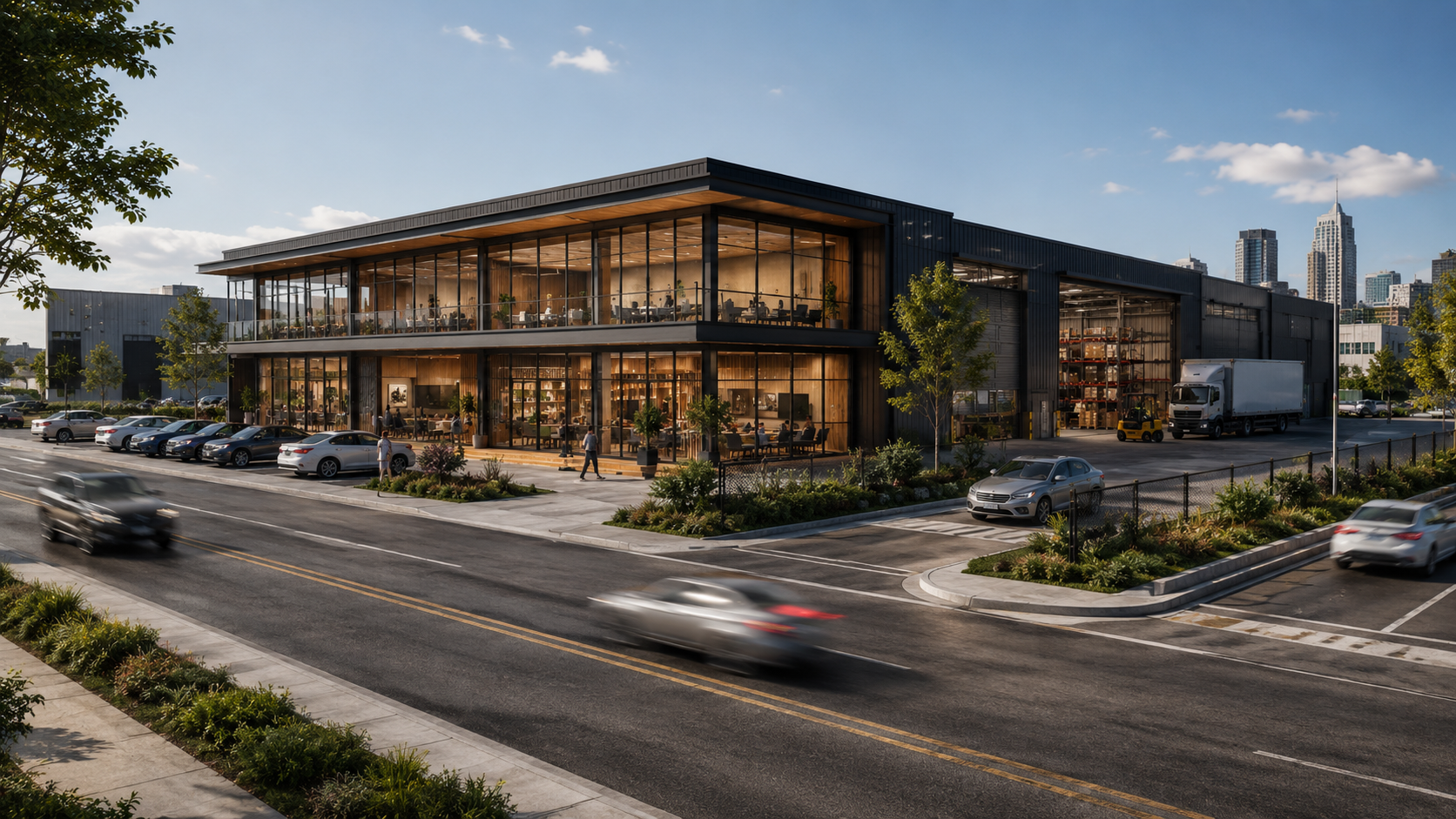
A prominent property may still be difficult to occupy if access, parking, loading or the internal layout do not support the business.
The strongest properties bring both sides together.
They are visible enough to support the brand and practical enough to support the operation.
For owners, this means the full commercial story matters. Frontage may generate interest, but access, storage, services, power and workflow may ultimately determine whether a tenant or buyer proceeds.
Flexibility Needs To Be Genuine
Flexibility is often used broadly in commercial marketing.
However, buyers and tenants are becoming more careful about what it actually means.
Can the layout be changed without major works?
Can customer-facing and operational areas function separately?
Is there adequate access for staff, customers and deliveries?
Are the proposed uses permissible?
A property is not flexible simply because it is vacant or open plan.
Real flexibility comes from layout, access, services, zoning and the ability to adapt the space without creating unnecessary cost.
Owners should understand these details before going to market. Clear information creates confidence and helps attract the right audience.

Campaigns Need A Clear Commercial Story
The same property may appeal to several types of occupiers.
One business may see a showroom. Another may see trade retail. An owner-occupier may focus on storage, office accommodation and long-term control.
However, trying to position a property as suitable for almost anything can weaken the campaign.
The better approach is to identify the genuine strengths of the asset and explain how they support different business models.
The opportunity should be broad enough to generate interest, but specific enough to remain credible.
What Owners Should Be Considering
Commercial owners should look beyond the current description of the property.
Does the layout support both customer-facing and operational requirements?
Could access, parking, signage or presentation be improved?
Are there underutilised areas that could add value?
Would minor works broaden the tenant or buyer market?
Is the property being positioned for the right type of occupier?
Some assets may benefit from physical improvements. Others may simply require clearer positioning and better information.
In some cases, the existing use will remain the strongest use.
The important point is to understand how the property performs from the occupier’s perspective.

Final Thought
Commercial property is being asked to do more.
Businesses want premises that support visibility, workflow, customers, staff and future growth without creating unnecessary operational friction.
For owners, value is not found only in building area, frontage or zoning.
It is also found in how effectively those elements work together.
A property does not need to suit every business. It needs to clearly demonstrate why it works for the right one.
Let's Connect
For tailored insights on commercial sales, leasing or investment opportunities, connect with the Shead Property Commercial team or speak with Bill Geroulis directly on 0413 100 200 or at bill@shead.com.au.

Discover the current market value of your property
Our wealth of experience across our whole team will get you a better price for your property.