


Why Industrial Land Is Back in Focus Across NSW
Share
Sydney’s industrial property market is becoming more balanced, but that does not mean the long-term supply challenge has disappeared.
Tenants have more choice than they did during the tightest years of the market, while new supply has created greater competition between properties.
At the same time, new research and planning reforms are highlighting a bigger issue for NSW: having industrial land on a map is very different from having land that is serviced, connected and ready for businesses to use.

More Choice Does Not Mean Oversupply
Industrial vacancy across Sydney has increased from the exceptionally tight conditions seen in recent years.
For occupiers, this means there is more opportunity to compare premises, negotiate terms and consider whether an existing property genuinely meets operational requirements.
However, the market is not moving equally across all property types.
Modern facilities with strong access, efficient layouts and the infrastructure required by today's occupiers continue to perform differently from older or less functional stock.
For owners, simply being in an industrial location is no longer enough. The quality and usability of the property are becoming increasingly important.
The Bigger Issue Is Development-Ready Land
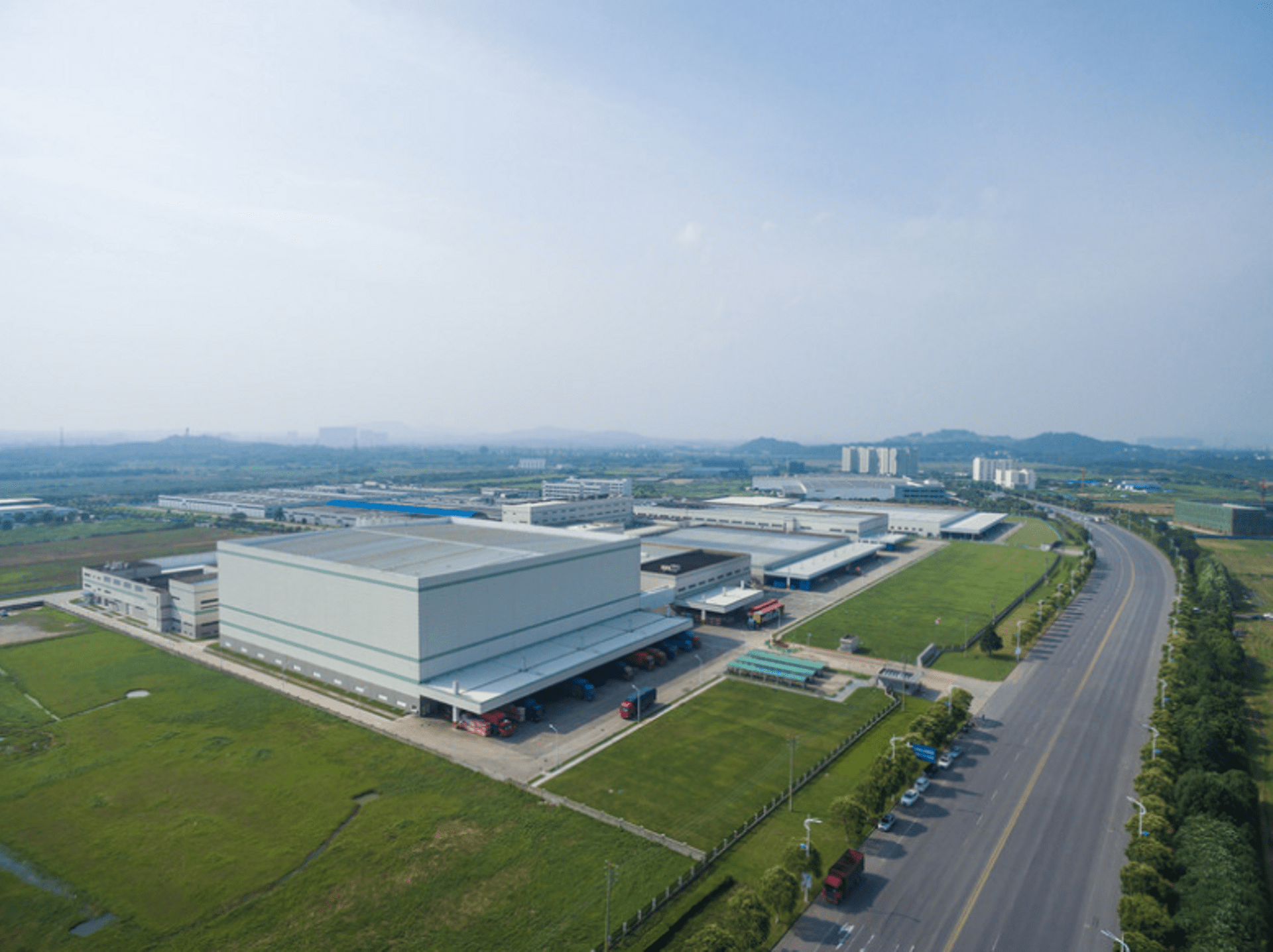
One of the most significant findings to emerge from recent NSW industrial property research is the difference between land that is zoned for industrial use and land that can actually be developed.
Research commissioned by the Property Council of Australia examined 424 industrial precincts across Greater Sydney and key NSW regions.
It found Greater Sydney has thousands of hectares of identified industrial land supply, but much of that land is either longer-term supply or still dependent on infrastructure and servicing before it can be brought to market.
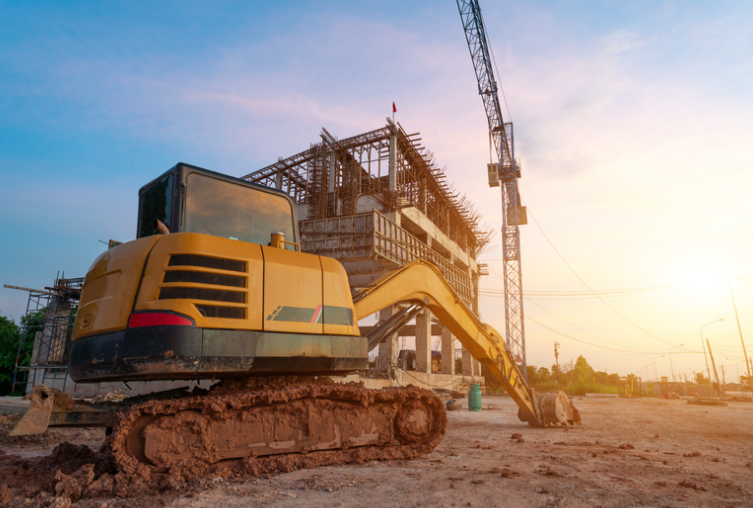
Road access, electricity, water, sewer, freight connections, environmental constraints and fragmented ownership can all determine whether industrial land can genuinely support development.
That distinction is becoming increasingly important as Sydney continues to grow.
Infrastructure Is Becoming Part Of The Property Story
For industrial property, infrastructure is no longer something that sits in the background.
It can directly influence who can occupy a site and how effectively a business can operate from it.
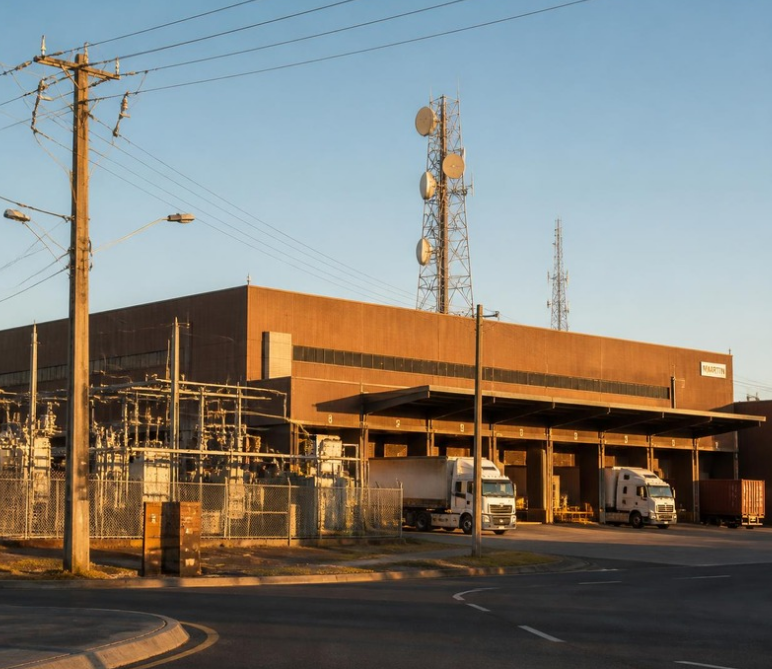
Freight access, loading, power capacity, vehicle movements and proximity to major transport routes can all affect demand.
The growth of sectors such as logistics, advanced manufacturing and data centres is placing even greater emphasis on infrastructure, particularly electricity and connectivity.
This means two properties with similar land areas and zoning may offer very different commercial opportunities depending on how well they are serviced.
NSW Is Taking A New Approach To Industrial Land
The NSW Government's new Sydney Plan and Statewide Policy for Industrial Lands were introduced in August as part of a broader change to how industrial land is planned and protected.
Industrial areas across Sydney are now being considered according to their state, regional or local significance, with greater emphasis on protecting productive land and coordinating future infrastructure.
The objective is not simply to preserve industrial land.
It is to create a more reliable pipeline of land that can support employment, investment, logistics, manufacturing and the services required by a growing city.
For commercial property owners, these changes make it increasingly important to understand how a property sits within the wider planning and infrastructure picture.


Established Locations Still Have An Important Role
While much of Sydney's future industrial growth will occur in major growth corridors, established metropolitan industrial precincts remain important.
Businesses operating close to customers, suppliers and established workforces cannot always relocate further from their market simply because newer land is available elsewhere.
In tightly held areas, existing industrial properties can therefore offer something that is difficult to reproduce: location supported by established roads, services, surrounding businesses and an existing customer base.
This does not guarantee performance.
Older properties may still need investment to remain competitive, particularly as occupiers place greater emphasis on efficiency, access and functionality.
What Owners Should Be Considering
Industrial owners should look beyond current rent and vacancy when assessing their property.
How well is the site serviced?
Is there sufficient power for future occupiers?
Does vehicle access and loading support modern business requirements?
Could improvements make the property easier or more efficient to occupy?
Are there opportunities to intensify or improve the use of the site over time?
And importantly, how does the property's zoning and strategic position fit within NSW's changing industrial land framework?
Understanding these factors can help owners make better decisions about leasing, holding, improving or eventually selling an asset.


Final Thought
Sydney's industrial market is entering an interesting phase.
There is more available space today, giving tenants greater choice and placing more pressure on secondary properties to compete.
But underneath those shorter-term conditions sits a longer-term challenge: Sydney still needs industrial land that is not only zoned, but properly connected, serviced and capable of supporting the businesses of the future.
For owners, that places greater value on understanding the complete property.
Land, buildings, access, infrastructure, location and future potential increasingly need to work together.
Let's Connect
For tailored insights on commercial sales, leasing or investment opportunities, connect with the Shead Property Commercial team or speak with Bill Geroulis directly on 0413 100 200 or at bill@shead.com.au.

Discover the current market value of your property
Our wealth of experience across our whole team will get you a better price for your property.